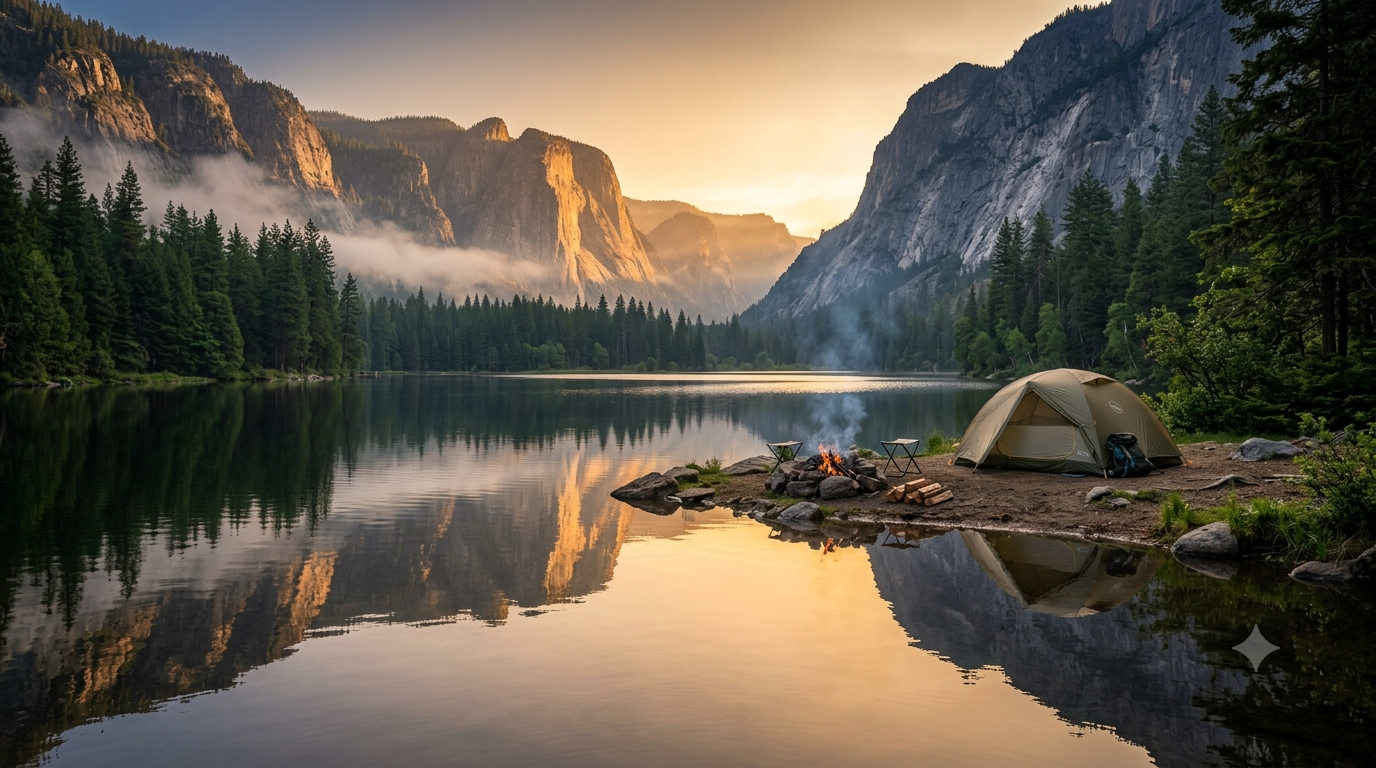

Everyone knows about Yosemite. Everyone’s seen the Zion photos. Everyone has a friend who spent three months trying to book a site at Yellowstone and is still talking about it at dinner parties two years later.
- Why “Hidden Gem” Doesn’t Mean “Hard to Find”
- Black Canyon of the Gunnison, Colorado
- Tomahawk Lake Campground, Michigan
- Big Bend National Park, Texas
- Channel Islands National Park, California
- Garnet Lake Campground, Michigan’s Upper Peninsula
- Ocean Pond, Osceola National Forest, Florida
- The Practical Reality of Finding These Spots Yourself
- Before You Go: A Few Honest Notes
- The Honest Bottom Line
Here’s what almost nobody talks about: America has thousands of campgrounds that deliver the exact same magic — dramatic canyons, pristine lakes, ancient forests, genuine solitude — without the three-month booking window, without the crowds, and often without the entrance fee. They’re not secret. They’re just not famous. And there’s a real difference between the two.
We went looking for the campgrounds that locals love and out-of-towners haven’t discovered yet — the ones with glowing reviews and surprisingly light foot traffic. Here’s what we found.
Why “Hidden Gem” Doesn’t Mean “Hard to Find”
Before the list, a quick myth-bust: a hidden gem campground isn’t necessarily remote, primitive, or difficult to access. Many of the best-kept secrets in American camping are simply lesser-known despite having excellent facilities, easy access, and the kind of natural beauty that would have a three-month waitlist if more people knew about them.
They’re hidden because they haven’t been widely publicized — not because they’re impossible to reach. That distinction matters, because it means you don’t have to sacrifice comfort or accessibility to find genuine solitude. You just have to know where to look.
Black Canyon of the Gunnison, Colorado
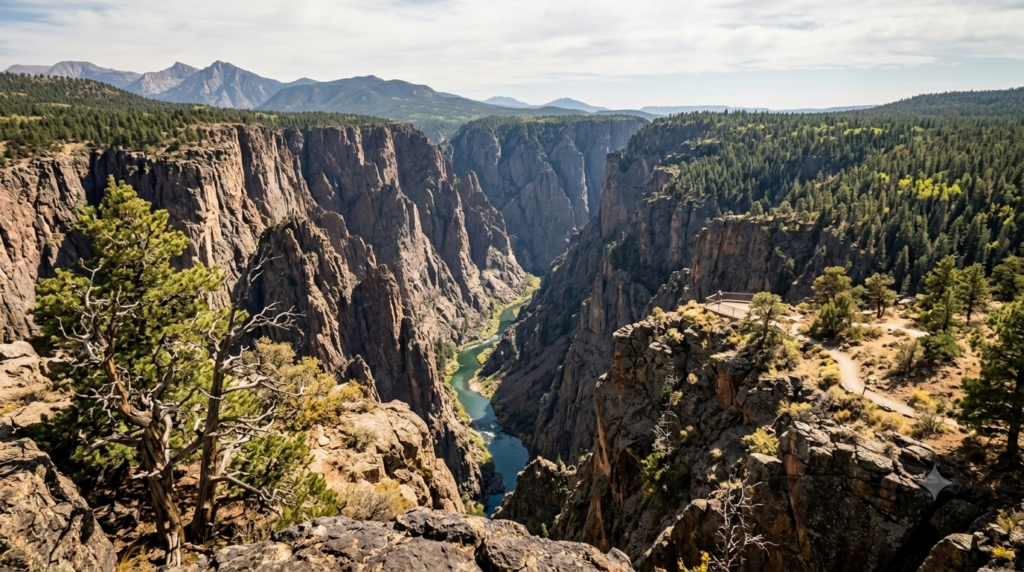
Most Colorado camping conversations gravitate toward Rocky Mountain National Park or the high alpine campgrounds near Aspen and Telluride. Black Canyon of the Gunnison gets overlooked almost entirely — and that’s a genuine surprise once you’ve stood at the rim.
The canyon walls drop over 2,000 feet in places, dramatically steeper and more vertigo-inducing than the Grand Canyon’s gentler slopes. The campgrounds here are uncrowded even in peak summer, the night skies are some of the darkest in Colorado (this is an certified International Dark Sky Park), and the fishing access to the Gunnison River below the rim rewards anglers willing to make the steep descent.
Why it stays under the radar: It’s not on the way to anywhere else famous. People driving through Colorado are headed to the Rockies or Mesa Verde, and Black Canyon simply isn’t on that route.
Tomahawk Lake Campground, Michigan
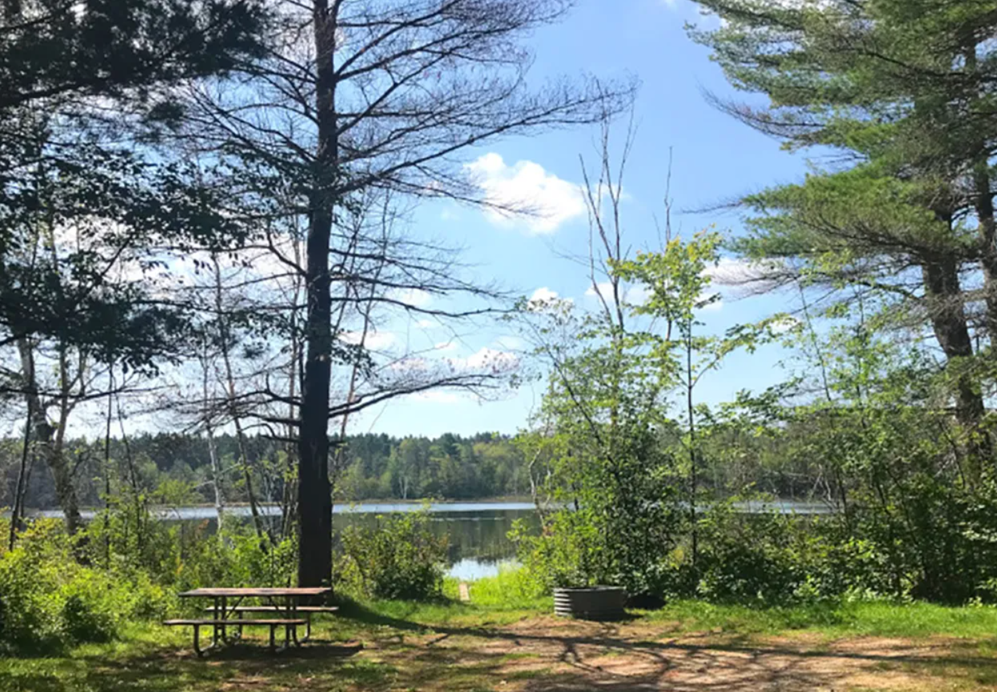
Northern Michigan’s High Country Pathway threads directly through this 25-site lakefront campground — genuine waterside solitude with hiking access to 80 miles of backcountry trail right from your tent door.
What makes Tomahawk Lake special isn’t a single dramatic feature — it’s the completeness of the experience. Lakefront sites, dense forest privacy between camps, excellent fishing, and a trail network that connects to one of the most underrated long-distance hiking corridors in the Midwest.
Why it stays under the radar: Michigan’s camping reputation centers on the Upper Peninsula’s coastline and Sleeping Bear Dunes. The interior lakes get a fraction of the attention despite offering comparable beauty with dramatically less competition for sites.
Big Bend National Park, Texas
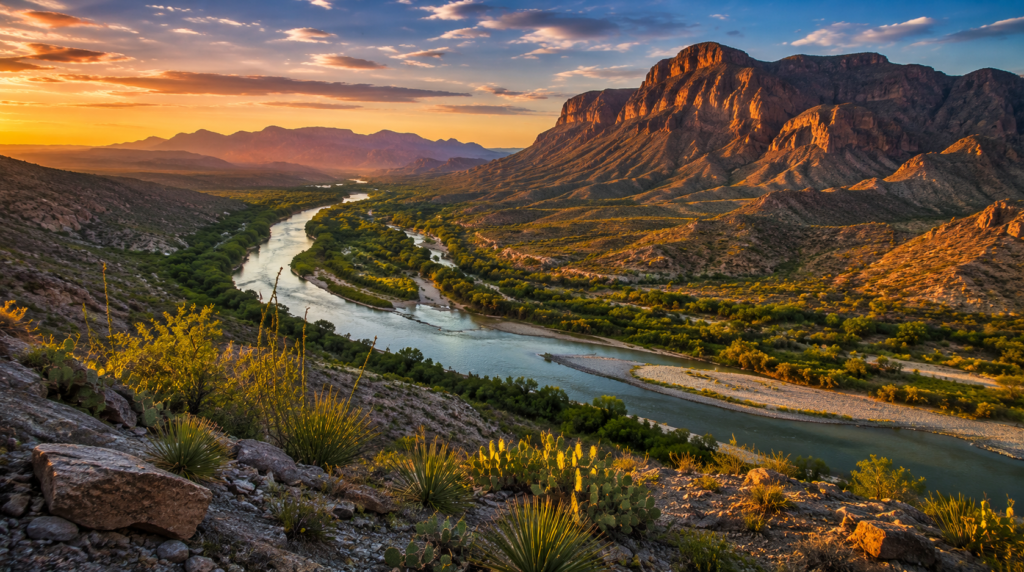
Big Bend gets named “underrated” so consistently by travel writers and outdoor publications that it’s almost become a cliché — and yet visitor numbers remain a fraction of what comparable parks draw. Three distinct ecosystems converge here: desert, mountain, and the Rio Grande river corridor, creating a landscape diversity that few parks in the country can match.
The park is genuinely accessible year-round — unlike most high-elevation western parks that close or become inhospitable in winter, Big Bend’s lower elevations stay comfortable when much of the rest of the Southwest is too hot or too cold to enjoy properly.
Why it stays under the radar: Location. It’s in a remote corner of southwest Texas, far from any major airport or interstate corridor, which keeps casual visitors away and rewards those willing to make the drive.
Channel Islands National Park, California
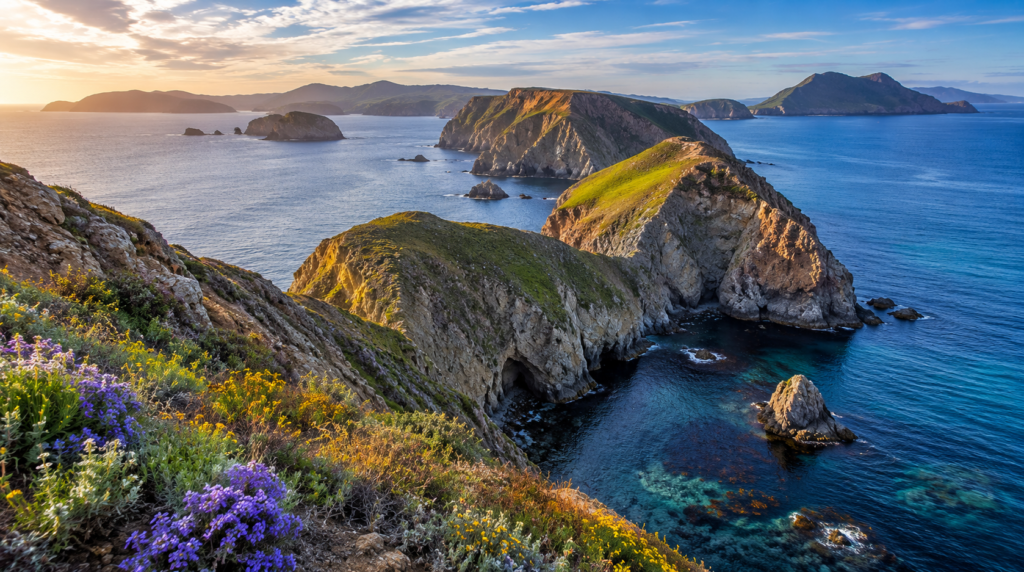
A boat ride 22 miles from the Los Angeles coastline takes you to one of the least-visited national parks in the entire system — just over 227,000 annual visitors compared to nearly 3 million at Joshua Tree, despite comparable natural drama and a genuinely unique ecosystem.
The islands host rare wildlife found nowhere else on earth, including an endemic island fox species. Sea kayaking through coastal caves, snorkeling in kelp forests, and the near-total absence of crowds on hiking trails make this feel like a different country, not a short boat ride from one of America’s largest cities.
Why it stays under the radar: Access requires a boat — either the limited-capacity ferry or a private vessel — which filters out the casual day-tripper crowd that floods more accessible parks.
Garnet Lake Campground, Michigan’s Upper Peninsula
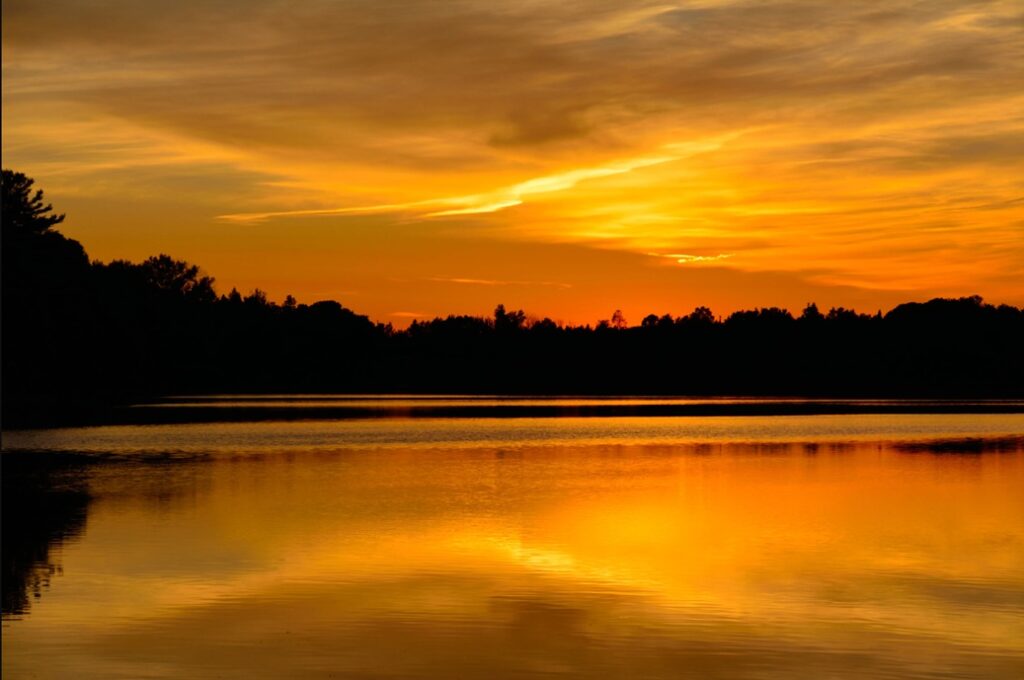
Ten rustic sites along a remote eastern Upper Peninsula lake, with hand-pumped water and vault toilets that quietly do the job of keeping crowds away. This is the kind of place that doesn’t show up in mainstream camping guides because the amenities are intentionally minimal — but the trade-off is genuine, complete solitude on a lake most Michiganders haven’t heard of, let alone visited.
Why it stays under the radar: Primitive amenities and a remote location mean it self-selects for campers who specifically want minimal infrastructure — which keeps the broader camping public away entirely.
Ocean Pond, Osceola National Forest, Florida
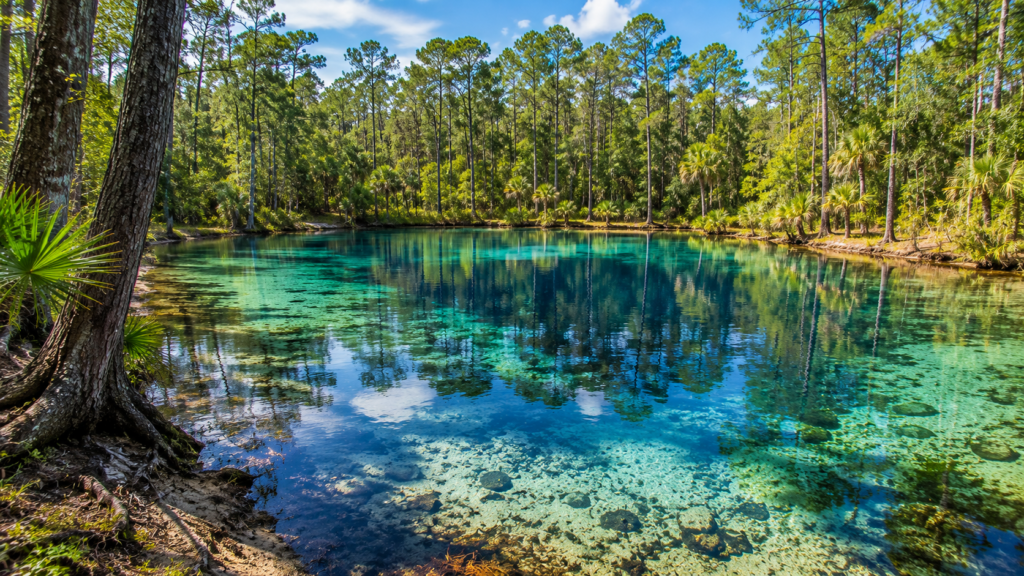
A secluded group retreat site on the shores of Ocean Pond with zero through-traffic and a private sandy beach for swimming and paddling. Most Florida camping conversations center on the Keys, the Gulf Coast beaches, or the theme park corridor — Osceola National Forest’s blackwater lake ecosystem barely registers in comparison.
The surrounding forest is genuinely wild — towering pines, blackwater streams, and the kind of undeveloped Florida wilderness that contradicts most people’s mental image of the state entirely.
Why it stays under the radar: Florida’s camping reputation is built around its coastline. The state’s interior wilderness areas get overlooked by visitors who associate Florida exclusively with beaches.
The Practical Reality of Finding These Spots Yourself
The campgrounds above are a starting point, not a complete list — America has thousands of comparable hidden gems waiting in nearly every state. Here’s how to find your own:
Look for high review scores with low review counts. A campground with a 4.5+ star rating and only 40 reviews has likely been quietly excellent for years without the marketing or proximity to attract crowds.
Check proximity to famous parks — but not too close. The best hidden gems are often 60–90 minutes from a famous destination, close enough for day trips to major attractions but far enough that the crowds funnel toward the name-brand park instead.
Look at state forests and state-managed land, not just national parks. State forest campgrounds are systematically underrated compared to National Park Service sites, despite frequently offering comparable beauty and significantly easier reservations.
Visit during shoulder seasons. Even genuinely undiscovered campgrounds can fill on holiday weekends. Visiting in May, September, or October dramatically increases your odds of solitude even at popular spots.
Before You Go: A Few Honest Notes
“Not all those who wander are lost.” — J.R.R. Tolkien
Hidden gem campgrounds often come with hidden gem logistics. Before heading to any of the lesser-known spots above or ones you discover yourself:
- Download offline maps before you lose cell service. Many of these locations have unreliable or nonexistent coverage — don’t rely on real-time GPS routing.
- Confirm water availability in advance. Primitive sites often lack potable water; bring what you need or carry a filtration system.
- Check vehicle and road requirements. Some access roads require high-clearance vehicles, especially after rain — call the local ranger district if you’re uncertain.
- Let someone know your itinerary. Remote locations mean slower emergency response times — basic precaution, not paranoia.
The Honest Bottom Line
The best camping experiences in America aren’t reserved exclusively for the destinations with the famous names and the impossible booking windows. Some of the most beautiful, most peaceful, most genuinely memorable nights under the stars happen at campgrounds that most people will never visit simply because they’ve never heard of them.
That’s not a loss for them. It’s an opportunity for you.
Step off the well-worn path. The reward is usually more space, more peace, and often, more joy than the Instagram-famous alternative ever delivers.