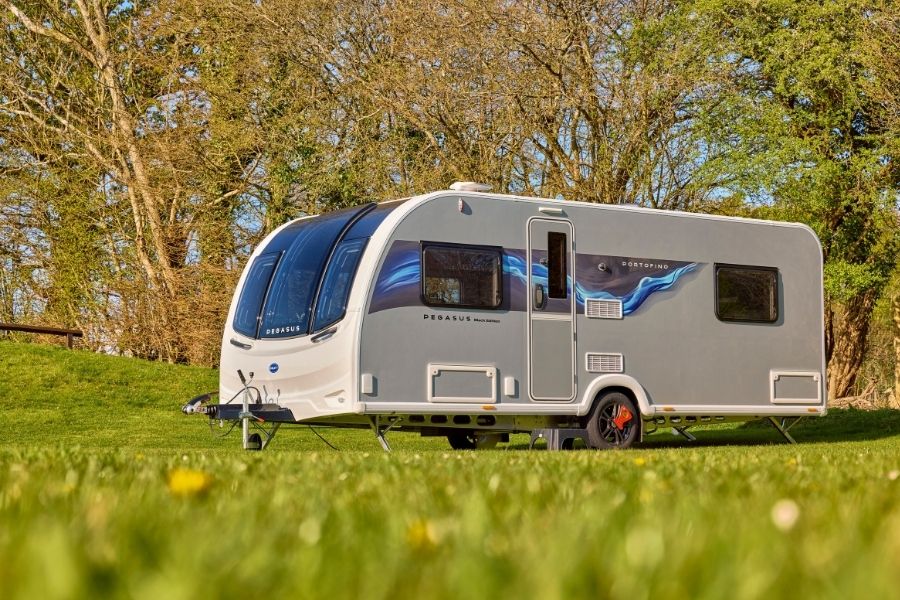

Gone are the days when “small RV” meant sacrificing comfort. In 2026, compact campers are smarter, better-equipped, and more capable than ever — with solar prep, lithium battery compatibility, heated underbellies, and residential-quality finishes packed into rigs you can tow with a mid-size SUV. Whether you’re a first-time buyer, a couple hitting the road, or a family looking to keep things simple and affordable, there’s never been a better time to go small.
Here’s your complete guide to the best small campers and RVs of 2026.
The world is a book, and those who do not travel read only one page.
Saint Ausgustin
What Counts as a “Small” Camper?
Before diving in, it helps to define the category — because “small” means something different depending on the type of RV you’re considering.
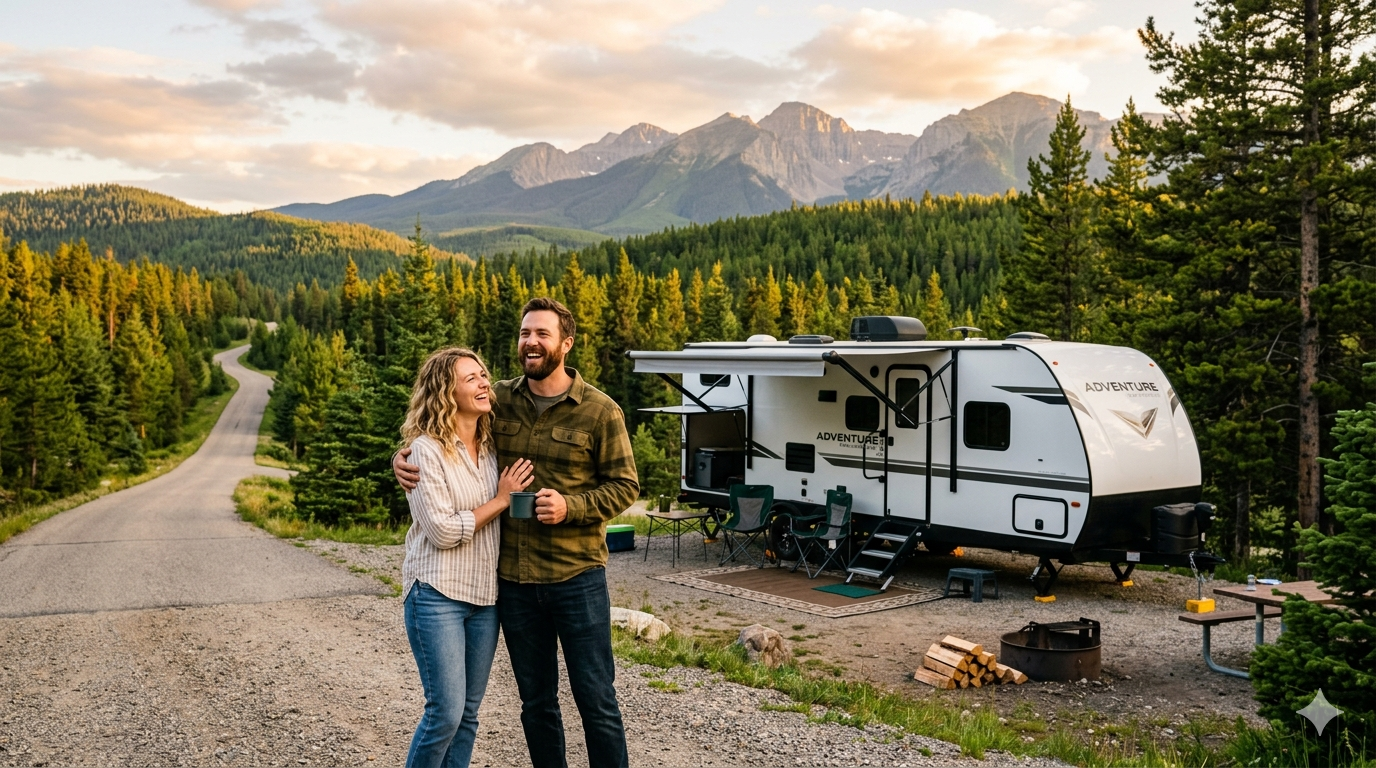
For travel trailers, small generally means under 25 feet in overall length, with a dry weight under 5,000 lbs — light enough for most half-ton trucks and many mid-size SUVs to tow comfortably. Micro campers take it further: under 20 feet, often under 3,500 lbs, towable by crossovers and some minivans.
For motorhomes, small means Class B (van conversions, typically 19–24 feet) or the smaller end of Class C (21–26 feet) — rigs you can drive into a National Park campsite or park in a standard campground space without pre-measuring every turn.
What all of them share in 2026: multi-functional layouts, convertible sleeping areas, Murphy beds, slide-outs in increasingly compact footprints, and off-grid readiness built in from the factory — not bolted on as an afterthought.
Why Go Small? The Real Benefits
Small campers aren’t a compromise — they’re a deliberate choice that unlocks advantages larger rigs simply can’t offer.
More campsite options. National Parks, Forest Service campgrounds, and backcountry sites often have strict length limits. A 20-foot trailer gets you into spots a 40-foot coach can’t touch.
Easier towing and driving. Backing into a tight site, navigating mountain switchbacks, or parking at a trailhead feels far more manageable in a compact rig. Less stress on the road means more enjoyment at the destination.
Lower costs across the board. Smaller campers cost less upfront, burn less fuel, carry lower insurance premiums, and are cheaper to store and maintain. Over a few seasons, the savings are substantial.
Simpler setup and breakdown. Spend less time leveling, hooking up, and buttoning down — and more time actually camping.
Towable with what you already drive. Many small campers pair with a mid-size SUV or half-ton truck you may already own, eliminating the need for a new tow vehicle purchase.
Top Small Travel Trailers of 2026
Travel trailers dominate the small camper segment, and 2026 brings an outstanding lineup. Here are the standout models this year:
Jayco Jay Flight SLX 170BH Sport Edition — Starting under $25,000, this is one of the best entry-level small trailers on the market. It features a front bed, bunk beds, a compact kitchen, and just enough room for a family on shorter trips. The Magnum Truss™ roof system, enclosed and heated underbelly, and integrated A-frame with diamond plate rock guard punch well above the price point.
Coleman 13T (Keystone) — The definition of “big adventure in a small package.” Lightweight, easy to tow, and loaded with smart design, the 13T is a favorite among weekend warriors who want a capable rig without the bulk. Drop the rear ramp on mild nights, keep the mesh screen closed, and you’ll get the feel of tent camping with the comfort of an enclosed RV.
Forest River Wildwood FSX 233RBLE — A step up in space without sacrificing towability. Couples and small families love the rear living layout, and the FSX series consistently earns high marks for build quality relative to its price.
Rockwood Geo Pro 15TB — One of the top micro campers of 2026, the Geo Pro is towable by small trucks and SUVs and packs in surprisingly usable amenities. Ideal for solo adventurers and couples who prioritize getting off the beaten path.
Transcend ONE 131DL (Grand Design) — One of the smallest and lightest offerings from Grand Design in 2026, measuring around 15’10” overall with a dry weight of approximately 2,950 lbs and a GVWR near 4,420 lbs — ultra-easy for driveway parking and tight campsite access.
Forest River Thrive 22MBH — A standout for small families. Features dedicated sleeping areas for four, including an Olympic queen Murphy front bed and 48″ x 68″ bunk beds in the rear corner. When the Murphy bed is up, you get two full seating areas — a U-shaped dinette and a sofa — making daytime living genuinely comfortable.
Aliner Evolution 15 — Best-in-class for off-grid capable compact travel. This A-frame trailer blends rugged capability with practical living features, including hard-sided construction, easy towing, and full creature comforts. Dry weight: 2,400 lbs. GVWR: 3,500 lbs.
Top Small Motorhomes of 2026
Prefer a drivable rig over a towable? These compact motorhomes deliver freedom without the footprint.
Winnebago Travato (Class B) — Consistently one of the highest-rated van conversions on the market. Built on the Ram ProMaster chassis, the Travato is compact enough to park almost anywhere while delivering impressive amenities, a comfortable sleeping setup, and strong build quality backed by Winnebago’s reputation.
Jayco Swift (Class C — Compact) — Jayco’s smaller Class C footprint makes for a far more manageable drive than a full-size coach, while still delivering the family-friendly features Jayco is known for — including solid construction, residential-style kitchen, and a full bathroom.
Coachmen Freelander (Class C) — A perennial value leader in the compact Class C space. Freelander models offer well-equipped interiors, multiple floor plan options, and Coachmen’s competitive pricing — all in a package that fits most standard campground sites.
Thor Gemini (Class B+) — For buyers who want something between a van conversion and a full Class C, the Gemini hits a sweet spot. A bit more interior space than a Class B, more maneuverable than a typical Class C, and built on a solid Ram ProMaster chassis.
What to Look for When Buying a Small Camper in 2026
Not all compact campers are created equal. Here’s what separates the smart buys from the compromises:
Dry weight vs. GVWR. Dry weight gets the headlines, but GVWR (gross vehicle weight rating) is the number that actually matters for safe towing. Always match GVWR — not dry weight — to your tow vehicle’s rated capacity.
Insulation and all-season capability. Look for enclosed and heated underbellies, upgraded insulation packages, and dual-pane windows if you plan to camp beyond summer. Many 2026 models now include this as standard.
Solar and lithium readiness. In 2026, solar prep and lithium battery compatibility are increasingly standard, not premium add-ons. Prioritize models that are off-grid ready from the factory.
Layout for how you actually live. A rear bath gives couples privacy. A bunkhouse layout maximizes sleeping capacity for families. A Murphy bed setup creates flexible daytime living space. Floor plan matters more than length.
Build quality markers. Laminated walls, one-piece roofs, and galvanized steel frames dramatically reduce long-term issues like water intrusion and frame rust — the most common and costly small camper repair headaches.
Best Small Camper Brands to Know in 2026
Some brands consistently rise to the top in the compact segment:
- Jayco — Best overall for family-friendly layouts, build quality, and warranty support
- Grand Design — Best for premium feel at an accessible price; exceptional customer satisfaction
- Forest River — Most variety in floor plans and price points; reliable value across the lineup
- Keystone (Coleman) — Best for budget-conscious buyers who don’t want to sacrifice features
- Winnebago — Best compact motorhome brand; industry-leading reliability and innovation
- Rockwood / Geo Pro — Best micro camper option for ultralight and off-grid buyers
Before You Buy — Questions to Ask Yourself
Run through these before you head to the lot:
- What does my tow vehicle actually rate for? Check both tow rating and payload — payload is often the real limiting factor once passengers and gear are added.
- How many people need to sleep in it? Sleeping capacity shapes everything about the floor plan choice.
- Am I a weekend camper or a long-hauler? Layout and storage needs differ significantly between short trips and extended travel.
- Where do I plan to camp? Hookup-dependent camping vs. boondocking changes your power, water, and solar priorities significantly.
- Do I want to tow or drive? Travel trailers offer more flexibility at camp; Class B and C motorhomes simplify the drive-to-camp experience.
So, Which Small Camper Is Right for You?
“Life is short and the world is wide. The sooner you start exploring it, the better.” — Simon Raven
Here’s the honest bottom line: the best small camper is the one that fits how you actually camp — not the one with the longest spec sheet.
For couples and solo adventurers who want maximum access to remote spots and minimal towing stress, look at the Rockwood Geo Pro, Transcend ONE, or Winnebago Travato.
For families who need real sleeping capacity without a massive footprint, the Jayco Jay Flight SLX, Forest River Thrive 22MBH, or Coleman 13T are hard to beat.
For buyers who want a drivable rig with no tow vehicle needed, the Winnebago Travato or Coachmen Freelander give you everything you need in a package you can actually manage on the road.
Whatever you choose, one thing is certain: in 2026, going small doesn’t mean going without. It means going smarter.
Ready to find your perfect compact camper? Visit us to explore our full lineup of small travel trailers and motorhomes — our team is here to help you match the right rig to your adventures.