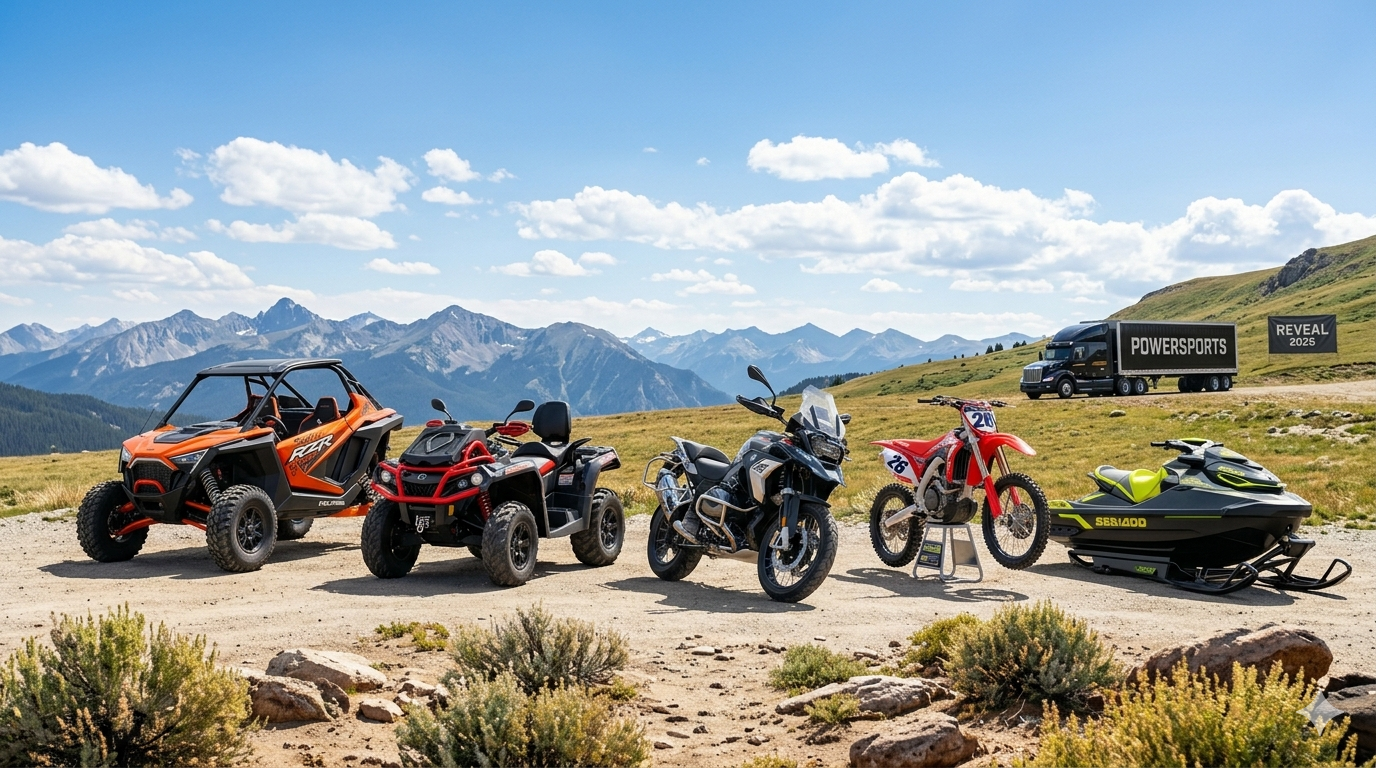

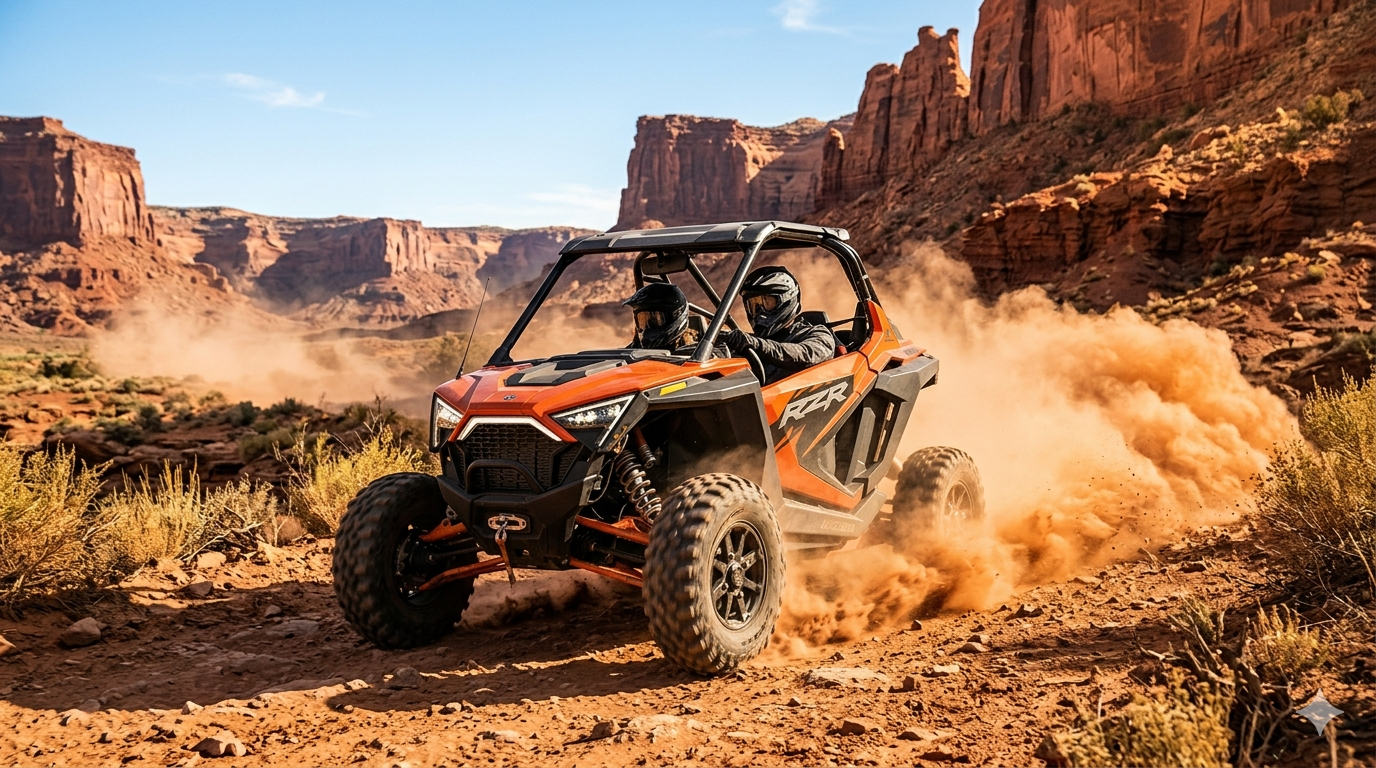

The side-by-side market has never been more competitive — or more buyer-friendly — than it is in 2026. What used to cost $25,000 now costs $15,000. Features that were premium add-ons three years ago come standard today. And the brands that have been building UTVs for decades — Polaris, Can-Am, Honda, Yamaha, Kawasaki, and CFMOTO — are all fighting hard for the value-conscious buyer’s dollar.
The result? A $20,000 budget in 2026 buys a genuinely capable, well-equipped side-by-side that handles real work, real trails, and real family fun without compromise. The challenge is knowing which one delivers the most for your money — and which ones look great on paper but disappoint in the dirt.
This guide cuts through the noise. Every model on this list has been cross-referenced across multiple sources, evaluated for real-world capability, and selected because it earns its place at the price — not just because it fits under the ceiling.
The best things in life are not things — but having the right machine to go find them doesn’t hurt.
Unknown
What to Look for in a Budget Side-by-Side
Before jumping to specific models, it’s worth understanding what separates a smart buy from a cheap one in the under-$20,000 UTV segment. The spec sheet tells part of the story. What it doesn’t tell you is equally important.
Engine and transmission type. The most consequential decision in the budget UTV segment is belt-driven CVT vs. gear-driven transmission. CVT (used by Polaris, Can-Am, and most Japanese brands) is smooth and forgiving — excellent for casual riders and variable terrain. Honda’s DCT (Dual-Clutch Transmission) eliminates the belt entirely, delivering automotive-style reliability and lower long-term maintenance costs. For buyers who put serious mileage on their machine, the transmission choice matters more than almost anything else on the spec sheet.
Suspension travel. Budget UTVs vary widely in suspension quality. More suspension travel — measured in inches front and rear — translates directly to a more comfortable ride over rough terrain and better handling at speed. Models with 9–10 inches of travel handle trail riding and working terrain meaningfully better than budget machines with 5–6 inches.
Towing and payload capacity. If utility work is part of the use case, confirm towing rating and bed payload capacity before buying. Numbers vary significantly in this price range — from 1,000 lbs towing on light utility machines to 2,500 lbs on serious workhorse models.
Trail width (50-inch vs. 60-inch). Many National Forest, state park, and designated OHV trails have 50-inch width restrictions. A 60-inch machine is locked out of those trails permanently — which is a meaningful access limitation if public land trail riding is on your agenda.
Brand support and parts availability. An obscure brand at a great price point is only a deal if you can get parts within a reasonable distance and timeframe. Polaris, Honda, Can-Am, Yamaha, and Kawasaki have the strongest dealer and parts networks in the United States. CFMOTO is growing fast but confirm local service availability before committing.
The Best Side-by-Sides Under $20,000 in 2026
Best Overall — Polaris Ranger SP 570
Starting Price: $13,499 | Engine: ProStar 570 | Power: 44 HP
The Polaris Ranger SP 570 is the benchmark budget utility side-by-side of 2026 — and it earns that title on merit, not marketing. The ProStar 570 engine delivers 44 horsepower with a distinct speed advantage over most competitors in the price range. The MacPherson Strut front suspension with 9 inches of travel and Dual A-Arm rear with 10 inches of travel absorbs chatter on rocky washboards better than almost anything else in the mid-size category.
At 56 inches wide, the Ranger SP 570 threads through tighter trails than a full-size machine while still delivering genuine utility capability — a standard 2-inch receiver hitch, solid towing capacity, and a steel cargo bed that handles real work without complaint. Polaris doubled service intervals to 2,000 miles for 2026, reducing the maintenance burden on high-use machines. For buyers who want the best combination of trail performance, utility, and value in the under-$15,000 tier, the Ranger SP 570 is the clear top pick.
Best for: Trail riders, property owners, and buyers who want the best all-round budget UTV from America’s most trusted side-by-side brand.
Best for Reliability — Honda Pioneer 520
Starting Price: $10,499 | Engine: 518cc | Transmission: Automatic DCT
The Honda Pioneer 520 is the reliability benchmark of the budget side-by-side segment — full stop. The Kawasaki Mule SX and Honda Pioneer 520 are widely considered the lowest-cost machines to maintain in the entire UTV category. The Pioneer 520 utilizes a geared transmission, eliminating the need for periodic drive belt replacements — the single most common and most expensive maintenance item on CVT-driven competitors.
For 2026, Honda updated the transmission gearing to deliver a 23% increase in top speed, making the Pioneer 520 much better suited for connecting trails on fire roads than previous models. At 50 inches wide, it’s one of the few machines in this guide that is legal for virtually every designated ATV/UTV trail in the country — including width-restricted National Forest routes. If you’re planning to ride public trails with strict width limitations, the Pioneer 520’s narrow footprint is a genuine competitive advantage that no amount of money spent on a wider machine can solve.
Best for: Reliability-first buyers, public trail riders who need 50-inch width compliance, and anyone who wants the lowest long-term ownership cost in the segment.
Best Workhorse — Can-Am Defender HD7
Starting Price: $14,299 | Engine: Rotax HD7 | Torque: Best-in-class for towing
When the job description includes heavy hauling, towing, and property work in demanding conditions, the Can-Am Defender HD7 is the machine for it. Can-Am’s Defender lineup is purpose-built around utility first — and the HD7 delivers best-in-class torque for its price tier, making it the strongest performer when pulling trailers, pushing snow, or navigating steep grades with a loaded bed.
The Defender HD7 and HD10 are widely regarded as excellent for plowing due to their heavier chassis weight and torque output, which helps maintain traction when pushing heavy snow. Smart-Lok traction management and Can-Am’s proven Rotax engine reliability round out a package that works as hard as its owner. For buyers whose side-by-side is primarily a work tool rather than a recreation machine, the Defender HD7 delivers commercial-grade utility at a price point that fits the budget.
Best for: Farmers, ranchers, property managers, and serious utility buyers who need maximum towing and hauling capability from their side-by-side.
Best Value — CFMOTO UForce 600
Starting Price: $10,999 | Engine: 580cc | Includes: Winch, roof, alloy wheels standard
The CFMOTO UForce 600 is the value story of the 2026 budget UTV segment. At $10,999, it comes standard with a winch, roof, and alloy wheels — accessories that add $1,500–$2,500 to the out-the-door cost of most competitors. No other machine in this price range matches the UForce 600’s factory-standard equipment level, making it the clear winner for buyers who want the most features per dollar.
CFMOTO’s quality has improved dramatically since 2020, and the UForce 600 reflects that progress — solid build quality, a capable suspension package, and a reliable powertrain in a package that undercuts the major brands by thousands of dollars. The caveat worth stating clearly: confirm there is an authorized CFMOTO service center within reasonable distance before committing. Parts availability and service network density vary significantly by region, and that matters when something needs attention 50 miles from the nearest town.
Best for: Budget-conscious buyers who want the most factory-equipped machine for the money and have confirmed local service availability.
Best for Trail Riding — Kawasaki Mule SX
Starting Price: $9,499 | Engine: 401cc air-cooled | Transmission: Belt-driven
The Kawasaki Mule SX is the definition of simple, dependable, and affordable. Its air-cooled engine eliminates the radiator and coolant system entirely — removing one of the most common service items on competing machines. The Mule SX is widely regarded alongside the Honda Pioneer 520 as one of the lowest-maintenance UTVs in the entire market, and its decades-long track record speaks directly to Kawasaki’s engineering conservatism.
At just over $9,000 and with a compact, agile chassis, the Mule SX is particularly suited to property work and trail riding where simplicity and low operating costs matter more than peak performance. It won’t win any speed comparisons and its feature set is intentionally minimal — but for buyers who want a machine that starts every time, asks for nothing, and runs for years without drama, the Mule SX earns its place on this list.
Best for: Buyers who prioritize simplicity, lowest possible maintenance cost, and rock-solid reliability above performance features.
Best Mid-Range All-Rounder — Polaris Ranger XP 1000
Starting Price: $17,499 | Engine: ProStar 999cc | Power: 61 HP
For buyers with a budget that stretches toward the $20,000 ceiling, the Polaris Ranger XP 1000 delivers a step-change in capability that justifies every dollar of the premium over the SP 570. The ProStar 999cc engine produces 61 horsepower — a significant upgrade — and the XP 1000’s refined interior with tilt steering and generous storage reflects Polaris’s focus on making the UTV experience genuinely comfortable for long days of work or riding.
For 2026, Polaris has made Ride Command+ connected vehicle technology standard on more XP 1000 trims, bringing GPS, ride tracking, and dealer connectivity into a machine that also handles 2,500 lbs of towing with ease. The Ranger XP 1000 consistently tops cross-brand reviews for the best combination of performance, comfort, and technology at its price point — making it the smart choice for buyers who want the best machine under $20,000, not just the best machine under $15,000.
Best for: Buyers who want the flagship utility side-by-side experience at a price that still fits under the $20,000 ceiling.
Best Three-Passenger — Yamaha Viking EPS
Starting Price: $15,499 | Engine: 686cc | Seating: 3 passengers
For families or work crews who need to carry three people regularly, the Yamaha Viking EPS is the smartout under-$20,000 choice. Most budget UTVs seat two — the Viking’s three-passenger bench seat is a genuine differentiator that opens up practical use cases that two-seat machines simply can’t cover.
Yamaha’s well-known reliability, smooth Ultramatic transmission, and the Viking’s stable, confidence-inspiring handling make it as capable as it is practical. Electric Power Steering (EPS) is standard — a feature that dramatically reduces fatigue on long days of trail riding or property work and comes at a premium on competing platforms. The Viking EPS consistently earns high marks for all-day rideability, solid ergonomics, and the kind of dependable performance Yamaha owners have come to expect across the brand.
Best for: Families, hunting groups, and work crews who need three-passenger capacity and the confidence of Yamaha’s reliability track record.
Head-to-Head: Best Side-by-Sides Under $20,000
| Polaris Ranger SP 570 | Honda Pioneer 520 | Can-Am Defender HD7 | CFMOTO UForce 600 | Polaris Ranger XP 1000 | Yamaha Viking EPS | |
| Price | $13,499 | $10,499 | $14,299 | $10,999 | $17,499 | $15,499 |
| Engine | 570cc | 518cc | Rotax HD7 | 580cc | 999cc | 686cc |
| Power | 44 HP | N/A | 50 HP | 45 HP | 61 HP | 45 HP |
| Width | 56″ | 50″ | 60″ | 60″ | 60″ | 60″ |
| Transmission | CVT belt | DCT geared | CVT belt | CVT belt | CVT belt | CVT belt |
| Seating | 2 | 2 | 2-3 | 2 | 2 | 3 |
| Towing | 1,500 lbs | 1,000 lbs | 2,500 lbs | 1,500 lbs | 2,500 lbs | 1,500 lbs |
| Best For | Best all-round | Reliability / trails | Heavy Utility | Best value | Premium capability | 3-passenger groups |
What They All Have in Common
Despite their differences in price, power, and purpose, every machine on this list shares the core promise of a side-by-side: the ability to go places cars can’t follow, carry more than an ATV can manage, and bring passengers along for the ride. All are covered by manufacturer warranties, supported by established dealer networks, and available with a growing ecosystem of factory accessories — winches, plows, cab enclosures, lift kits, and more.
In 2026, spending under $20,000 on a side-by-side no longer means accepting meaningful compromises. The machines in this guide are genuinely capable. The choice between them is a matter of matching the right machine to your specific use case — not settling for what you can afford.
Top Brands to Know in the Budget UTV Segment
- Polaris — The most dominant brand in North American UTV sales; widest model range from entry utility to premium performance; Ranger SP 570 and XP 1000 are segment leaders
- Honda — Best long-term reliability; DCT transmission eliminates belt replacement costs; the right choice for low-maintenance buyers and 50-inch trail riders
- Can-Am — Best towing and torque at every price point; Defender lineup is the go-to choice for serious utility and property work
- Yamaha — Most reliable Japanese UTV brand after Honda; Viking and Wolverine lines earn consistently high owner satisfaction scores
- Kawasaki — Best for simplicity and lowest maintenance cost; Mule lineup is the definition of dependable workmanship
- CFMOTO — Best factory value per dollar; growing dealer network; confirm local service availability before purchasing
Before You Buy — Questions to Ask Yourself
“Not all those who wander are lost.” — J.R.R. Tolkien
Before heading to the dealership, work through these:
Is there a dealer and service center nearby? This matters far more than most buyers realize — especially for less common brands. Confirm before committing.
Is this primarily for work, recreation, or both? Work-focused buyers should prioritize towing capacity and transmission reliability. Recreation buyers should weight suspension quality and trail access.
What width trails will you ride? If public land trail riding is in the plan, confirm your chosen machine fits within any applicable width restrictions before buying.
How many people need to ride regularly? Most budget UTVs seat two. If three passengers is a frequent use case, the Yamaha Viking EPS is the only machine in this guide built specifically for it.
How mechanically comfortable are you? CVT belt replacement is the most common maintenance item on budget UTVs. Honda’s DCT eliminates it entirely — worth considering if you prefer minimum-maintenance ownership.
What’s the total budget including accessories? A winch, roof, and plow can add $2,000–$4,000 to the out-the-door price of most machines. The CFMOTO UForce 600 includes the first two as standard.
So, Which Side-by-Side Should You Buy?
Here’s the honest bottom line — under $20,000, your budget puts you in excellent company. Every machine on this list earns its place for a specific type of buyer.
For the best all-round trail and utility machine, the Polaris Ranger SP 570 remains the segment benchmark — capable, well-supported, and priced where it should be.
For the best long-term reliability and 50-inch trail access, nothing beats the Honda Pioneer 520 — fewer maintenance items, more trails, same capability.
For serious property work and maximum towing, the Can-Am Defender HD7 delivers more torque and hauling power than anything else at the price.
For the most features per dollar, the CFMOTO UForce 600 with its standard winch, roof, and alloy wheels is a compelling package for buyers with confirmed local service access.
For buyers ready to stretch to the $20,000 ceiling for the best machine available, the Polaris Ranger XP 1000 delivers premium capability, technology, and comfort that makes it worth every dollar of the premium.
Whatever you choose — the trails are waiting.
Ready to find your perfect side-by-side? Visit our showroom to explore our full lineup of UTVs from Polaris, Can-Am, Honda, Yamaha, Kawasaki, and CFMOTO — our team will help you match the right machine to your terrain, your workload, and your budget.